Expert Tips to understanding fat transfer breast augmentation
Expert Tips to understanding fat transfer breast augmentation
Blog Article
Fat Transfer Breast Augmentation Explained: Pros, Disadvantages, and What to Anticipate
Fat transfer breast augmentation is becoming popular as a organic substitute to implants. This procedure involves using a patient's own fat to improve breast size and shape. While it provides several advantages, including a more natural look, there are crucial considerations to keep in mind. Understanding who may benefit from this technique, as well as the associated risks, is essential for anyone considering this option. What elements should one consider before making a decision?
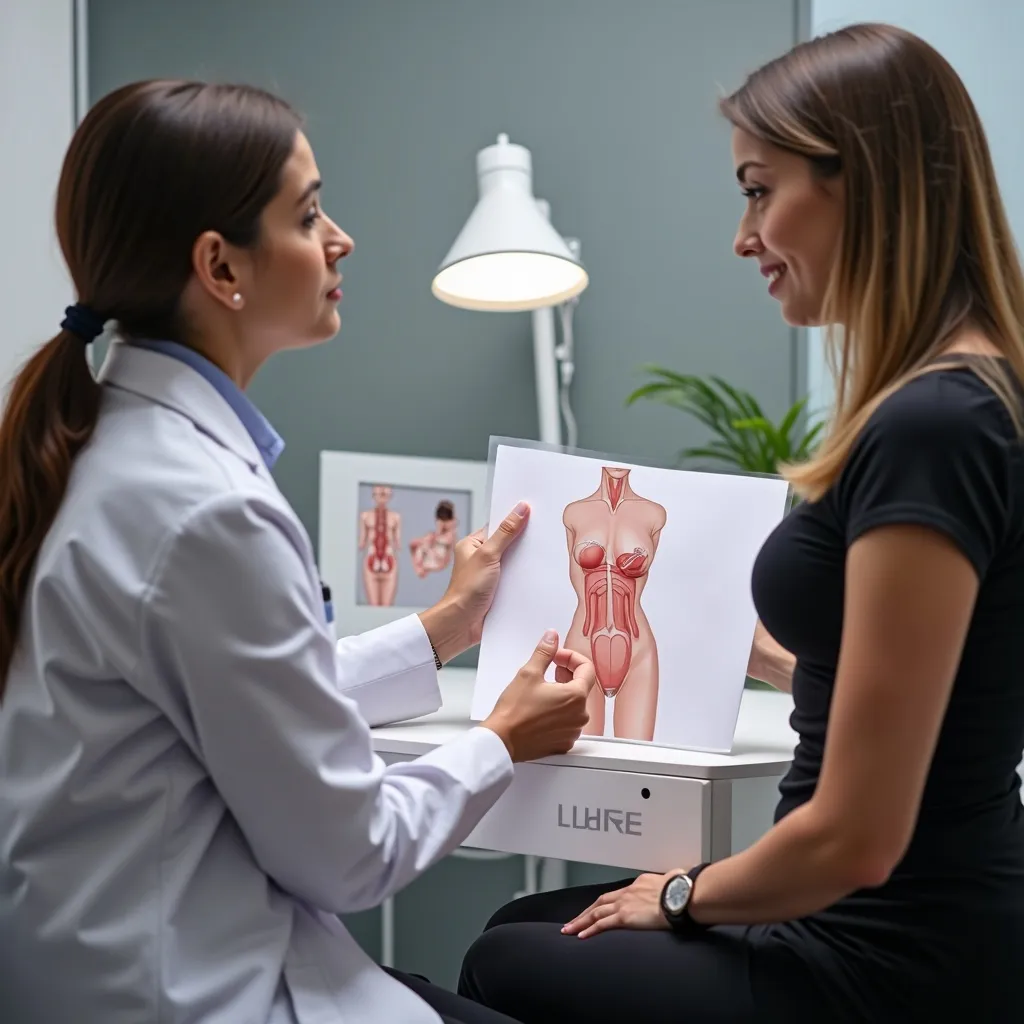
Is Autologous Fat Breast Augmentation Suitable for You? Learn the Facts
Is fat transfer breast augmentation the optimal choice for every individual? This procedure, which involves transferring fat from other body areas to improve breast volume, may not be suitable for everyone. Factors such as body type, current fat reserves, and overall health significantly influence determining eligibility. Individuals exploring this option should have substantial fat available for removal; those who are underweight may not qualify. Furthermore, candidates must understand that results can vary, and additional procedures might be necessary to achieve desired outcomes.
Additionally, patients should think about their preferences, as fat transfer typically provides subtler enhancements versus traditional implants. The longevity of results is also variable, as some fat may be resorbed by the body over time. Ultimately, it is essential to consult with a qualified professional to assess individual circumstances, ensuring an informed decision is made regarding this form of breast augmentation.
Benefits of Fat Transfer Breast Enhancement
Fat transfer breast augmentation delivers several notable benefits for patients seeking a organic boost. One of the key advantages is that it uses the patient's own body fat, which reduces the possibility of allergic reactions and issues tied to implants. This method usually yields a more natural appearance and feel, meeting many patients' desires for a modest augmentation.
Additionally, the technique provides a twofold benefit by contouring the source region, often improving the stomach or legs while providing volume to the breasts. Healing period may also be shorter compared to traditional implants, as there is often reduced trauma to the physique. Moreover, the results can be long-lasting, with proper maintenance, making it an appealing option for those looking for sustainable outcomes. Overall, autologous fat grafting for breast enhancement represents a harmonious blend of beauty and security, meeting the requirements of individuals emphasizing natural results.
Who Might Benefit From Fat Transfer?
Those contemplating breast augmentation may see fat transfer as an attractive option, particularly if they prioritize natural results and body contouring. This technique is ideal for those who have sufficient body fat to harvest, providing for a two-fold advantage of enhancing breast volume while in parallel contouring other areas, such as the abdomen or thighs.
Candidates frequently feature women who desire a subtle increase in breast size, intend to correct asymmetry, or seek a more organic feel compared to implants. Additionally, individuals who may be apprehensive about artificial implants or those who have experienced complications from previous surgeries may also think about fat transfer.
It is imperative for interested candidates to have grounded outlooks regarding the outcomes, as fat transfer typically leads to a moderate growth in size. Meeting with a specialized cosmetic surgeon can help clarify if this approach aligns with their aesthetic goals and body type.
Learning About the Fat Grafting Procedure
The fat transfer procedure involves harvesting fat from one region of the body and injecting it into the breasts to obtain fullness and contour. Good candidates for this method generally have sufficient fat reserves and realistic expectations concerning the results. Understanding the healing schedule is also essential, as it can vary based on personal healing processes and the extent of the procedure.
Method Review
Although many pursue breast enhancement options, understanding the fat transfer procedure is essential for making a informed decision. This technique entails harvesting fat from areas of the body, such as the abdomen or thighs, through liposuction. The removed fat is then processed and injected into the breast tissue to achieve the desired volume and shape. The procedure typically takes a few hours and is conducted under local anesthesia or sedation. Healing may involve some swelling and bruising, but most patients can return to daily routines within a week. Unlike traditional implants, fat transfer uses the patient's own tissue, which can lead to a more natural appearance. However, some fat may be absorbed back, requiring touch-up procedures.
Ideal Applicants
Applicants for fat transfer breast augmentation typically have a collection of factors that render them appropriate for the procedure. Ideal candidates generally possess adequate body fat in areas like the abdomen, thighs, or flanks, as this fat is utilized as the source for augmentation. Stability in weight is also critical, since noticeable fluctuations can affect the outcomes. Furthermore, candidates should retain realistic expectations regarding the outcome and understand that results may not be as noticeable as those obtained with implants. Good overall health and a non-smoking status positively influence the success of the procedure. Finally, those seeking a natural improvement, instead of a dramatic volume increase, often find fat transfer to be an attractive choice.
Recovery Timeline
Understanding the healing timeline for fat transfer breast augmentation is crucial for candidates to prepare for the after-surgery period. Patients typically experience some swelling and bruising during the first week, which fades gradually. Many return to mild exertion within a few days, but heavy physical activity should be avoided for four to six weeks. The early results may not be noticeable until the swelling goes down, a process that may take several weeks. Complete recovery, including fat integration and final cosmetic results, may require three to six months. Regular appointments with the surgeon are essential to track progress and address any concerns, ensuring a smooth and successful recovery experience.
Standard Concerns and Setbacks of Fat Transfer Breast Reconstruction
Fat transfer breast augmentation presents a nature-based option to standard breast implants, but it brings inherent drawbacks. One notable drawback is the constrained volume increase attainable, which may not meet every individual's expectations. Likewise, possible side effects can surface, presenting issues that people should carefully review before advancing.
Capped Volume Improvement
A remarkable limitation of fat transfer breast augmentation is the potential for limited volume increase. Unlike regular implants that offer a stable enhancement in breast size, fat transfer depends upon the presence of donor fat and the body’s acceptance of the transplanted tissue. In most cases, only a segment of the injected fat takes hold, frequently resulting in a smaller amount of volume than initially expected. Patients desiring a significant size boost may find this method insufficient. Additionally, multiple sessions could be required to achieve desired results, which can lengthen the process. Thus, individuals should set reasonable expectations about the attainable volume, noting that this approach is better suited for modest enhancements rather than major changes in breast size.

What Healing Looks Like After Fat Transfer
Recovery subsequent to adipose transfer breast enhancement typically progresses over several weeks, with patients sustaining a array of impressions and alterations. Initially, subtle tumescence and ecchymosis at both the extraction and placement sites are ordinary. Patients may also identify tightness in the thoracic region as the body begins to acclimatize to the newly transferred fat.
Throughout the initial few days, discomfort can be managed with doctor-prescribed pain relief. It's advisable to use a support bra to aid in the recovery. Gentle exercise may be restarted within a few days, but intense workouts should be prevented for at least a few weeks.
Throughout the healing timeline, patients typically notice gradual improvement in their breast shape and fullness, although it may take several months for final results to solidify. Periodic check-ups with the surgeon are fundamental to monitor recovery and manage any concerns that may arise during this period.
Selecting a Doctor for Your Fat Transfer Procedure
How can you locate the right specialist for a fat transfer breast augmentation? Choosing a competent surgeon is vital for achieving wanted outcomes and reducing complications. Prospective patients should prioritize board certification in cosmetic surgery, as this guarantees the surgeon has completed intensive education and follows quality protocols.
Investigating the surgeon's experience specifically with fat transfer procedures is important. Testimonials and feedback from past patients can provide valuable insights into the surgeon's proficiency and care for patients. Additionally, scheduling consultations enables individuals to gauge the surgeon's manner of communication and approach to concerns of patients.
It is also advisable to inquire about the facility where the surgery will take place, verifying it is certified and follows safety protocols. Ultimately, choosing a surgeon should require careful consideration, thorough research, and a feeling of confidence in their expertise. This foundation can greatly influence the general outcome of the fat transfer journey.
Popular Asked Questions
What Period Can You Count On from Fat Transplantation Outcomes?
Fat transfer outcomes typically stay effective between three to five years, depending upon individual aspects such as metabolism, lifestyle, and the region from which the fat was harvested, shaping overall retention and appearance.
Is Lipofilling Suitable for Correcting Breast Asymmetry?
Fat transfer successfully addresses breast asymmetry by increasing size to the smaller breast, enhancing overall shape and balance. Results vary based on individual factors, including the amount of fat transferred and the patient's body.
Does Fat Transfer Function for Every Body Shape?
Fat transfer cannot be universally suitable for all body types. Factors including overall body fat percentage, skin elasticity, and individual health conditions significantly impact candidacy, necessitating a customized assessment by a certified healthcare provider.
What Is the Cost Comparison With Traditional Implants?
Fat transfer breast augmentation costs generally spans from $8,000 to $15,000, while traditional implants typically cost between $5,000 and $10,000, reflecting differences in procedure complexity and the amount of fat needed.
Will I Have Visible Scars After the Treatment?
Visible scars may happen after the procedure, though they are generally minor. The extent of scarring relies on individual healing and the techniques used, with many patients experiencing only light traces that read here lessen over time.
Report this page